When it comes to performing repairs or upgrades on a rental property, keeping tenants happy and informed can be the difference between a smooth job and a string of complaints. We understand – people are living their lives in the midst of a building site, and no one wants a surprise visit from a plumber at 7 am.
Planning ahead makes all the difference
Before we even lift a hammer, we nut out a detailed plan for the work. That includes who’s doing what, when they’ll need access, and how long it’s all likely to take. Having this sorted up front means you can keep your tenants in the loop from day one.
We’ll work with your tenant too (if that suits)
Once you’ve given the green light, we’re happy to handle day-to-day access arrangements directly with the tenant. It usually works best that way. Tenants know when they’ll be home, when their pets need to be kept inside, and when the power can be off. We maintain a flexible, respectful, and tidy environment.
Minimising mess and maximising notice
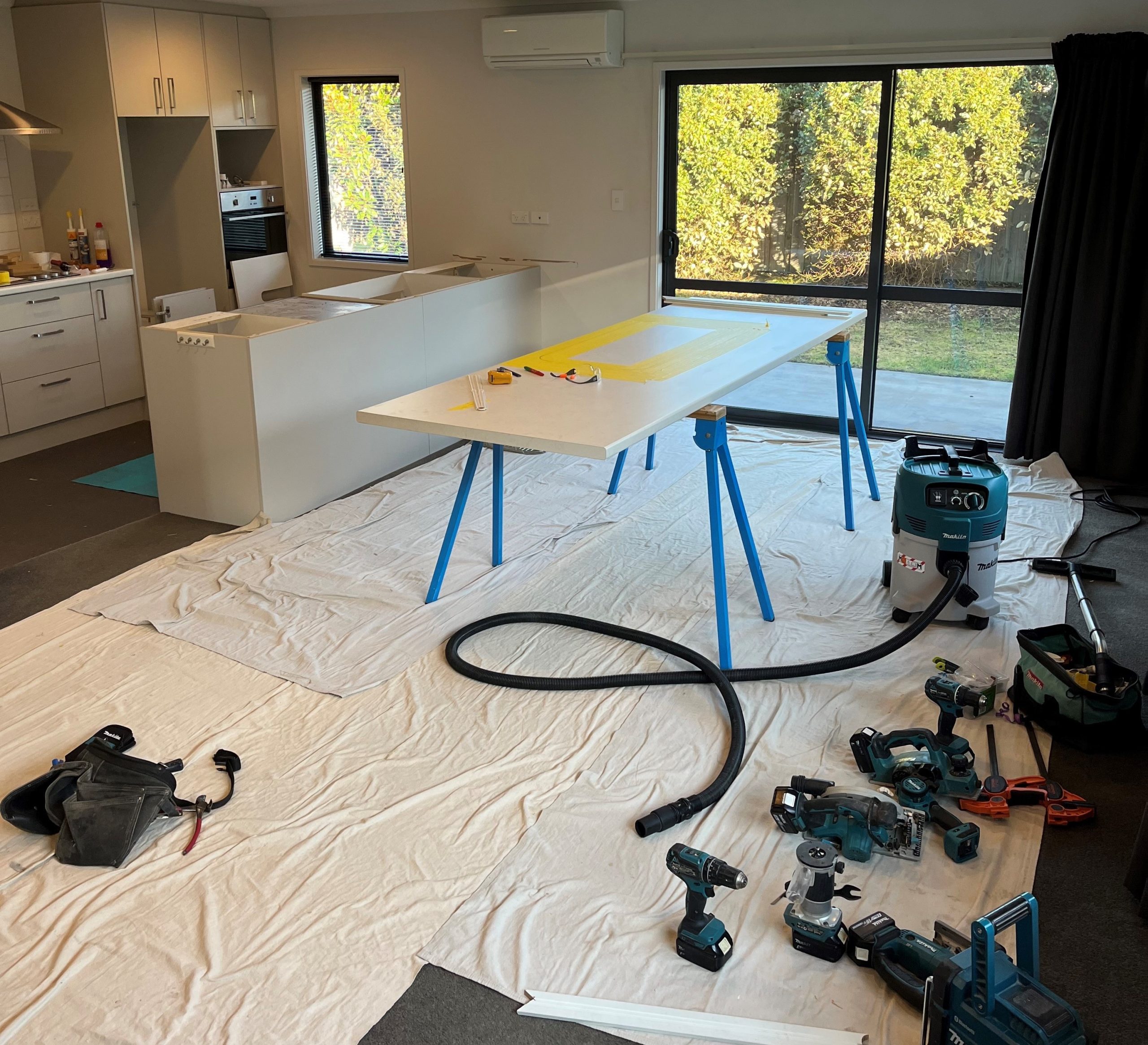
We aim to cause as little disruption as possible. That means turning up when we say we will, using drop cloths and barriers to contain dust, and tidying up after ourselves. If a job is going to be noisy or messy, we’ll give you fair warning. If there’s a delay, we’ll communicate it – no surprises.
It’s your tenant, but it’s our name on the line too
We treat tenants with the same respect we’d expect in our own homes. A good relationship between everyone makes the work easier and helps avoid stress on all sides. It also protects your reputation as a landlord who keeps things well-maintained and professionally managed.
If you’re considering repairs or upgrades for your rental, let’s discuss it. We’ll help you make a plan that works for everyone involved – especially the ones living there.